
Yuk! My Chocolate’s Gone Off!
Or How To (Or Not To) Store Your Chocolate
Hang on a minute! Storing chocolate? You mean NOT eating it all straight away? I know — storing something so delicious seems counter intuitive! I’ve never understood people who can take one bite of a chocolate bar and then put the rest away for tomorrow. Nevertheless, there are circumstances in which you may want to store your chocolate purchases for a few weeks. Maybe you’ve splashed out on a really posh box of chocs as a treat for yourself or you’ve bought something special as a birthday or Christmas gift. The last thing you want is to find your truffles have melted or your 95% single-origin chocolate bar looks all white and manky.
In this blog you’ll find out why correct storage matters and get some tips to help keep your chocolate in the best possible condition until it’s time to scoff it.
Storing Tempered Chocolate
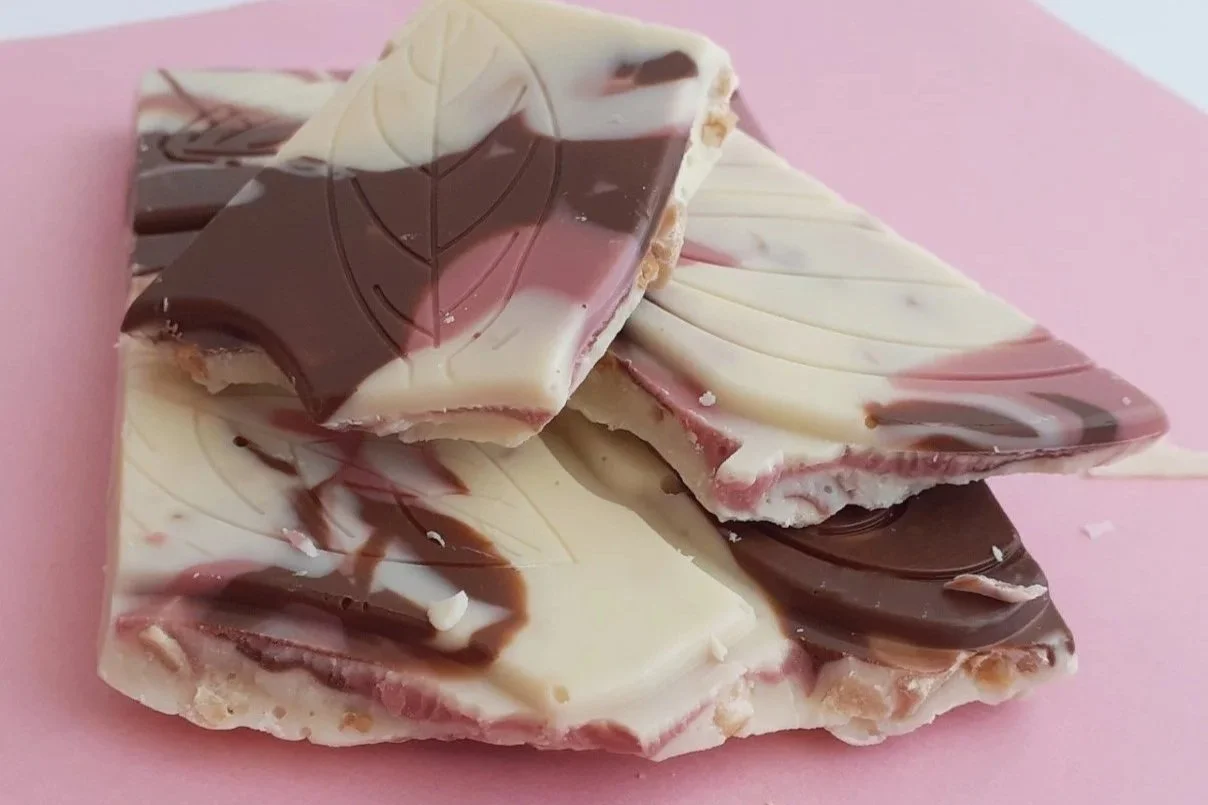
What Is Tempered Chocolate?
Very simply, tempering is the process that gives a chocolate bar its snap and glossy finish. Chocolate contains cocoa butter, which forms crystals as the liquid chocolate cools and solidifies. The trick is to encourage the formation of the right type of crystals so that the finished chocolate is firm and glossy, melts at around body temperature and has a smooth mouthfeel. If
chocolate isn’t properly tempered, it may look streaky, feel crumbly or soft and melt too easily. Tempered chocolate is used for solid bars, moulded chocolates and figures, such as my chocolate shoes, and for enrobing — or posh dipping!
Keep your Temper!
So far, so good. Every bar or box of chocolates you open will be perfect because, of course, it’s been properly tempered — yes? Well, not necessarily. Many years ago, long before I became a chocolatier, I received a box of chocolates from a well-known company offering regular subscriptions to a chocolate ‘club’. Every chocolate in the box was covered in white streaks.
If you’ve ever experienced this, your first thought might have been that the chocolate had gone off or was mouldy. More often than not, however, those white streaks are something called ‘bloom’. When I complained, the company explained that the chocolates had probably become too warm in the delivery van. Bloom itself is harmless, although it can affect the appearance, texture and sometimes the taste. It can be caused by problems during production, but it can also develop during transit or storage — which is why storing chocolate correctly is so important.
Blooming ‘Eck!
There are two types of chocolate bloom. Here’s how it happens -
Fat Bloom
Fat bloom occurs when cocoa butter moves through the chocolate and recrystallises on the surface, leaving pale streaks, spots or a whitish-grey coating. It can be caused by poor tempering, prolonged warmth or significant changes in temperature
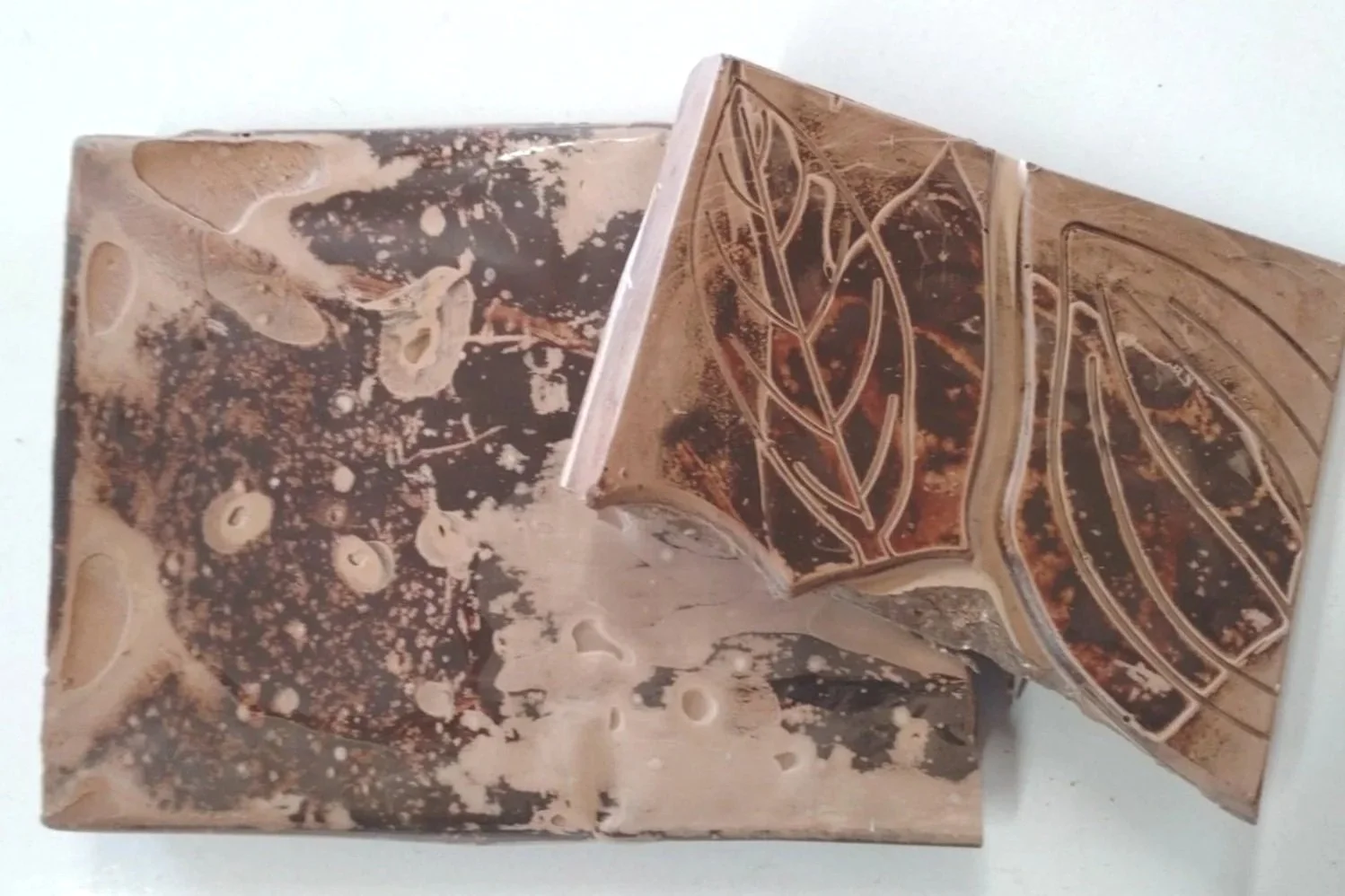
— for example, if a chocolate bar begins to melt and is then put in the fridge to set again. Bloom can alter the chocolate’s texture and may make it taste less pleasant, although a small amount of surface bloom might make very little noticeable difference.
To avoid fat bloom, keep your chocolate in a cool place away from direct heat and sunlight, and avoid sudden changes in temperature.
Sugar Bloom
Sugar bloom occurs when chocolate comes into contact with moisture. The moisture dissolves some of the sugar in the chocolate and, as it evaporates, leaves sugar crystals on the surface. The chocolate may initially look ‘sweaty’ or feel sticky. Once it dries, it can develop a rough, pale or powdery coating that looks similar to fat bloom.
Although sugar bloom makes chocolate look less appetising and may give it a slightly grainy texture, it doesn’t usually affect the flavour.
To avoid sugar bloom, keep your chocolate dry.
If you’d prefer not to eat the chocolate in its bloomed state, the good news is that fat and sugar bloom can both be ‘repaired’ by melting the chocolate. The separated fat or sugar crystals will be reincorporated and your chocolate will taste delicious again. Pour it over a cake or ice cream or have a chocolate fondue. Yum!
Step Away From The Fridge!
So, what’s the best way to store tempered chocolate? You might think the best place to keep chocolate cool and dark is the fridge but, don’t forget, we need to keep it dry too. Domestic fridges are humid, which can cause sugar bloom if the chocolate isn’t properly protected.
Chocolate also easily absorbs odours from whatever is
near it, so unless you really want your chocolate to taste of last night’s leftover curry or that lump of Stilton, that’s another reason not to store it uncovered in the fridge!
Cool Tasting
Cold temperatures dull our perception of flavour and aroma. That’s why beer tastes less bitter when chilled and melted ice cream tastes much sweeter than it does when frozen.
Some people actually prefer chocolate straight from the fridge. Chilling may make very dark chocolate seem less bitter, but it can also mute the sweetness and creaminess of milk chocolate. Cold chocolate also takes longer to melt in your mouth, so its flavours and aromas aren’t released as readily. I prefer mine at room temperature, when you can appreciate the full flavour.
Keeping It Real
Keeping chocolate cool in summer without using the fridge can be a challenge, particularly as air conditioning isn’t a standard feature in most UK homes. Realistically, there may be times when you simply have to resort to the fridge.
If you do, wrap the chocolate well and place it in an airtight container to protect it from moisture and odours. When you take it out of the fridge, leave it wrapped and sealed inside the container until it has returned to room temperature. If you unwrap it too soon, condensation may form on the cold chocolate and cause sugar bloom.
If you need to store chocolate for months rather than weeks, it can be frozen — but only if you really must. Wrap it carefully, place it in an airtight container and refrigerate it for 24 hours before transferring it to the freezer. When you want to eat it, reverse the process: put the sealed container in the fridge to defrost for 24 hours, then allow it to return to room temperature before unwrapping it. This gradual change in temperature helps prevent condensation and protects the texture of the chocolate.
Storing Chocolate Truffles
If you’ve tried making fresh cream truffles at home, the recipes you’ve used have probably said that they should be eaten within a few days. I’m guessing they were eaten pretty quickly anyway!
Obviously, truffles bought from a shop or online need a longer shelf life than most homemade versions. At Truffle Witch, I don’t use artificial preservatives — but if
my truffles lasted only a couple of days, they’d be past their best before the postman delivered them!
Some of the ingredients I use, including sugar, alcohol and honey, act as natural preservatives. However, the main reason my truffles last longer than many homemade versions is the way I prepare the ganache, including bringing the cream fully to the boil before combining it with the chocolate. Together with careful hygiene, this gives my truffles a shelf life of at least four weeks when properly stored.
I add a best-before date of four weeks from the date the truffles were made to ensure that you enjoy them at their absolute best.
Follow The Rules
To keep your truffles in perfect condition, follow the same basic rules as you would for tempered chocolate. Truffles dipped in chocolate are susceptible to both fat and sugar bloom. Nut coatings may soften, while sugar coatings can begin to dissolve and become sticky if exposed to moisture.
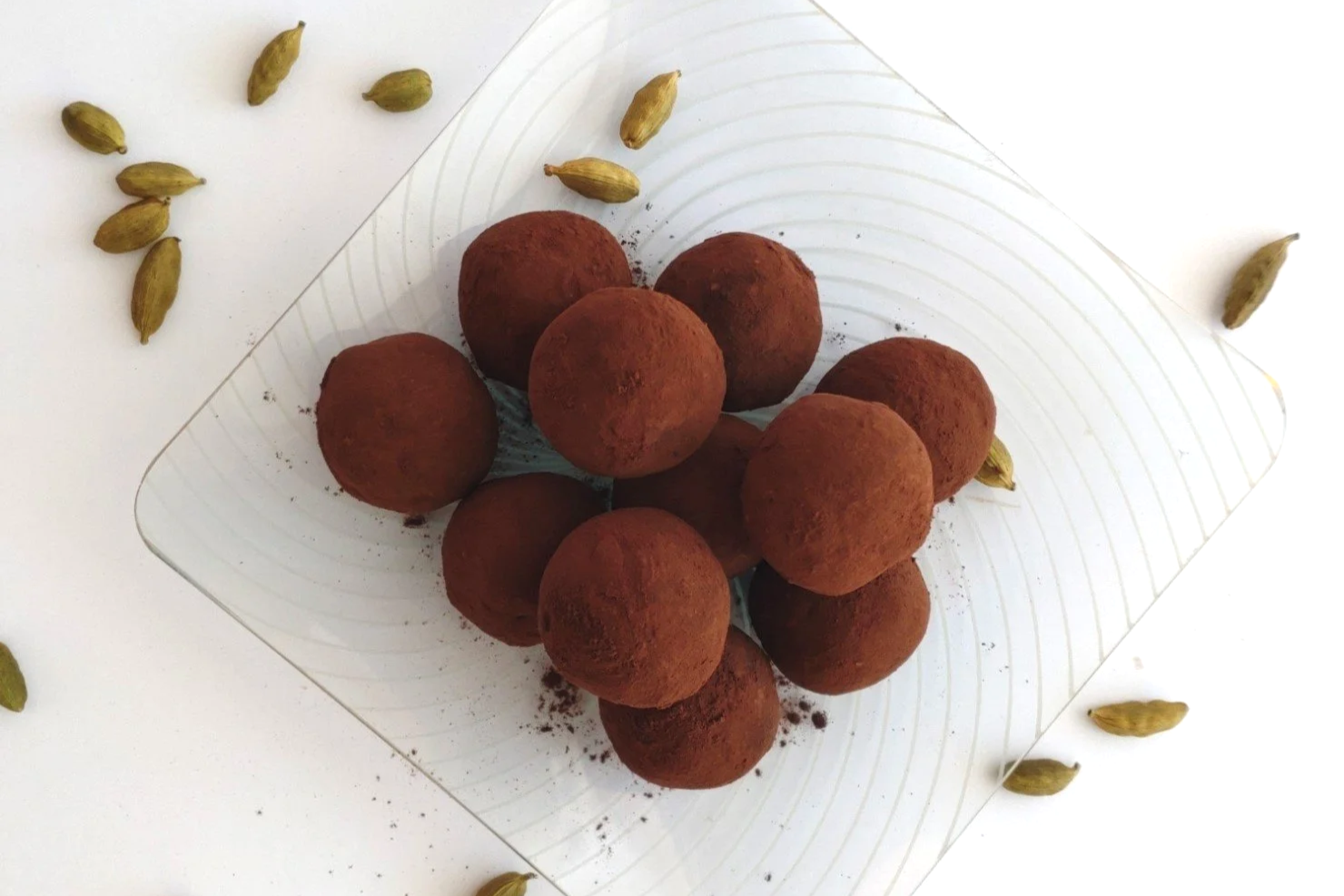
Some truffles are finished in the traditional French style and simply rolled in cocoa powder. They often have quite a thick coating because the cocoa is gradually absorbed into the truffle, especially if it becomes too warm or moist. This can leave the coating looking patchy — or even to the truffle looking naked. Oooh la la!
Keep truffles in a cool, dark, dry place. Because they generally have a much softer consistency than solid tempered chocolate, you’re more likely to need to refrigerate them during warm weather. Make sure they’re well wrapped and placed in an airtight container, then allow them to return to room temperature before unwrapping. If you need to freeze them, follow the same gradual process described above.
If you’re making truffles at home and want to prepare them in advance, you can freeze the ganache before rolling it. Pour it into a container with an airtight lid and allow it to cool fully in the fridge. If condensation forms inside the lid, dry it before replacing the lid and transferring the container to the freezer.
Defrost the ganache slowly in the fridge, then allow it to soften at room temperature before rolling and finishing the truffles.
As with all rules, there are exceptions. Truffles are generally best eaten at room temperature, but my Diablo chilli and tequila truffles are delicious frozen!
Box Clever
A brief word about packaging. If you’ve bought a posh box of chocolates or truffles and you need to store them in the fridge, do be mindful of potential moisture damage to the packaging. If necessary, remove the chocolates or truffles in their vacuum-formed tray from the box before wrapping and refrigerating. No one wants a soggy box!
The Dos And Don’ts Recapped
It’s all pretty simple, really:
DO keep your chocolate cool and avoid sudden changes in temperature
DO keep it dark and away from direct sunlight
DO keep it dry
DO keep it airtight to prevent it absorbing odours and developing a stale taste
DON’T put chocolate in the fridge or freezer unless you really need to — make sure it’s properly wrapped if you do
DON’T leave it anywhere too warm or humid. (My chocolate shoes may look pretty but, if you leave one on the windowsill or mantelpiece for weeks to admire it, it will melt. Yes, it’s happened!)
Follow the guidance above and you should be able to keep your fresh cream truffles and tempered chocolates in perfect condition. If you haven’t eaten them by the best-before date, congratulations on your superhuman willpower! If there’s anything you’d like to know that I haven’t covered, pop your question in the comments below.