
Chocolate Myths: Never Clean Your Moulds
Busting the chocolate advice that sounds right...
but isn't.
Welcome to Chocolate Myths, where I take a look at some of the advice, beliefs and occasional bits of chocolate folklore that have been passed around over the years. Some are true, some are half true, and some just make me roll my eyes.
First up - never wash your chocolate moulds.
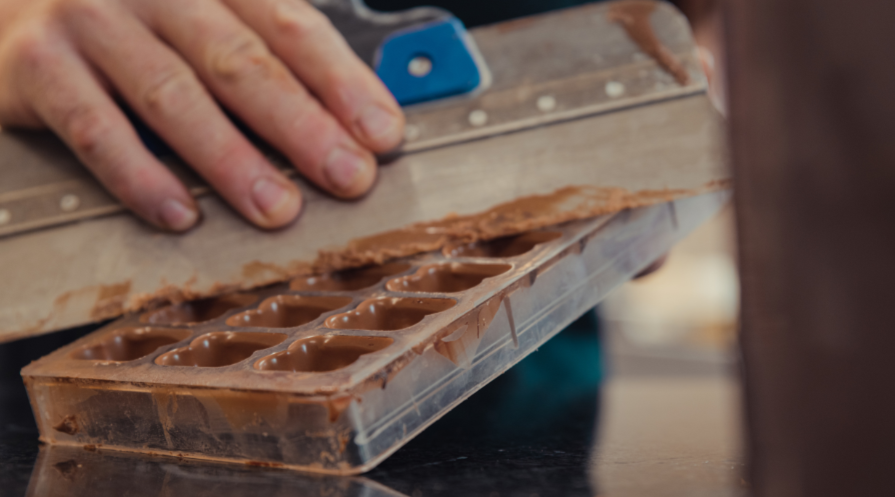
There are many things you should do when making chocolate. Temper your chocolate properly. Store it correctly. Keep water away from it at all costs.
But one piece of advice I've come across repeatedly is that you should never wash your chocolate moulds because the build-up of cocoa butter will help your chocolates shine.
Well, I guess it sounds plausible. After all, some cookware does come with instructions about seasoning or avoiding certain cleaning methods. But those instructions are about protecting the surface or coating of the cookware. A polycarbonate chocolate mould works in a completely differently.
Moulds are made from polycarbonate. IT’S PLASTIC! It doesn’t absorb cocoa butter. You can’t ‘season’ it like a piece of antique furniture. Your moulds do not age like wheels of Cheddar.
Along with “don’t wash”, you’ll often get advice to “polish” your moulds.
Now, I'm not sure if anyone else spots the slight contradiction here, but if polishing removes cocoa butter residue, how is that helping to build up a cocoa butter coating? Polishing a clean mould before use is good practice. Polishing it because you believe you're creating a cocoa butter coating is where the logic gets a little lost.
So, let’s bust this myth!
Far from improving the shine on your chocolates, the fatty residue from cocoa butter will make them stick to the mould if not thoroughly cleaned off. If you use coloured cocoa butter to decorate your moulds before pouring your chocolate, it will stick to any greasy spots in the mould and lift off the chocolate when you come to turn out your creation. It’s happened to me more times than I care to remember.
And what happens when you buy a new mould?
It arrives, clean and pristine with not a vestige of cocoa butter patina. Yet the first batch of chocolates you make? Shiny. Shiny like the moon. So shiny you can see your face in them.
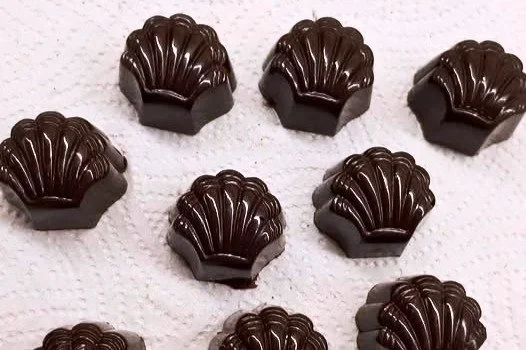
The shine comes from the chocolate itself — specifically the formation of stable cocoa butter crystals during tempering combined with the smooth surface of a clean mould. The moulds job is basically to provide a smooth surface for the chocolate to set against.
So, that first batch? That glorious shine isn’t because the mould has years of accumulated cocoa butter. It’s because the chocolate has been properly tempered and the mould is clean.
There is another reason I struggle with the idea of never washing chocolate moulds: they're food equipment. A stack of unwashed moulds sitting in the cupbaord is going to end up with dust stuck to it and any chocolate residue will go mouldy if left long enough. (A thought that would probably give any food safety inspector an attack of the vapours!) Would you bake a cake in a grubby tin with old grease and crumbs stuck to it because someone told you it added character? Probably not. So why would a chocolate mould be any different?
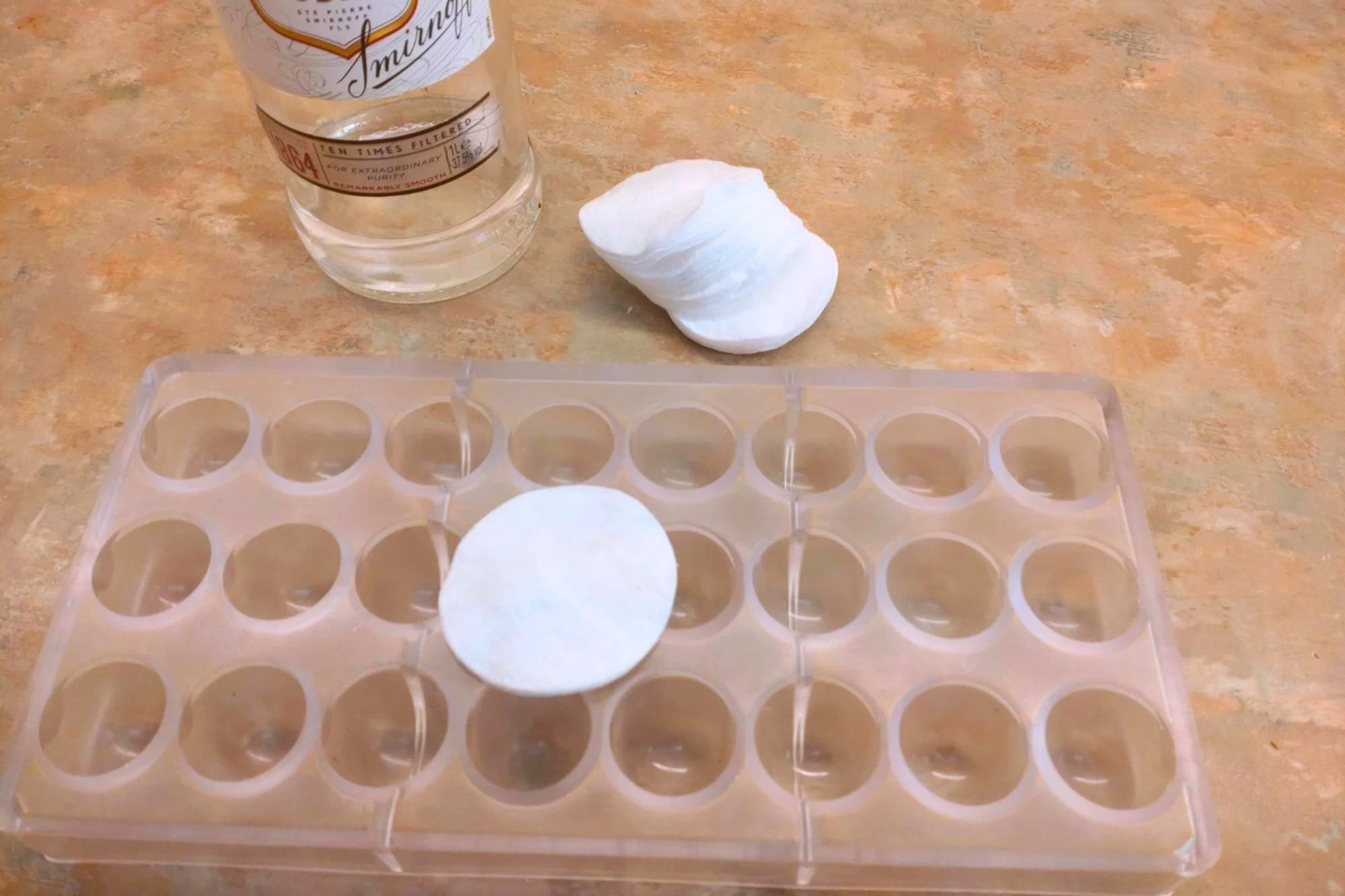
A chocolate mould should be clean, dry and free from grease before you use it. Not because I'm trying to remove all the "mystique", but because chocolate can be a bit of a diva and it responds best when you give it the conditions it needs.
My routine is to wash my moulds thoroughly in hand hot water and washing-up liquid, then dry them with a clean cloth. Before using them, I carefully polish the
inside of each cavity with a cotton pad to remove any lingering grease - I use a little vodka here. (No, I don't mean I pour myself a cocktail….. although, come to think of it, there are days when a shot or two would hit the spot.) The vodka evaporates but I do a last polish with a clean cotton pad to ensure the cavities are completely dry.
So, please, I beg you - wash your moulds. Respect the chocolate; respect the mould.