
Secrets Of The Cocoa Trade
The Dirt Beneath The Decadence
(Revised August 2026)
When we put a piece of chocolate in our mouths we notice the taste — sweet and creamy milk chocolate or the intense cocoa flavour of a really dark chocolate. We notice the way it melts on our tongues and its smooth texture. We definitely notice the warm and happy feeling it gives us. We might give a passing thought to how the bar or truffle was made, how the pattern and texture were achieved. For instance, how do they get the bubbles in Aero?
We eat, quite literally, tons of the stuff. Around 95% of UK adults eat chocolate, and 4 in every 5 of us eat it every week. But I doubt that many of us think about how the chocolate itself was made and how the cocoa used to make it was produced. How often do we consider what it takes to get our favourite treat onto the shelves? Demand for cocoa remains enormous but achieving a sustainable cocoa economy is a war yet to be won and there’s a lot going on that many consumers would probably prefer not to know.
Billion Dollar Bean
Well, significantly more than that, actually. The global chocolate confectionery market is now worth around $147 billion a year.
Cocoa is a key ingredient in this so you can see why it’s a valuable source of export revenue to producing countries. Cocoa production provides an income for an estimated 5 to 6 million farmers worldwide. However, the realities of the industry are as dark as the cocoa they produce.
Poverty And Slavery
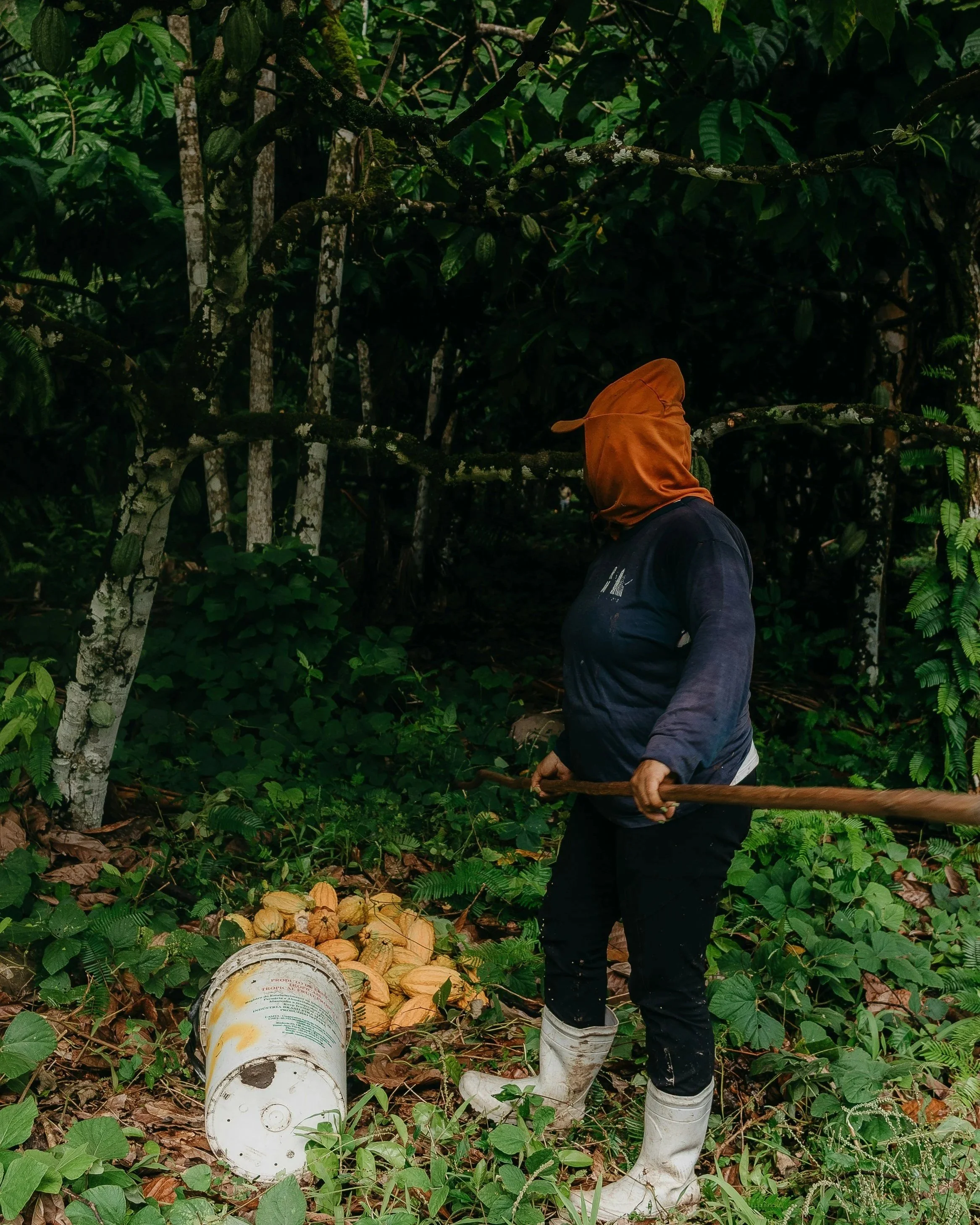
Cocoa is largely grown in the tropics, with around two-thirds of global production coming from Africa. Côte d’Ivoire is by far the world’s largest producer, followed by Ghana and Ecuador.
You might be imagining huge cocoa plantations but the reality is that the majority of production is carried out by smallholders with only a few hectares of land.
In spite of the enormous value of the chocolate industry, many of the farmers at the beginning of its supply chain remain desperately poor. In West Africa, many cocoa farmers still live on less than $1 a day and struggle to afford essentials such as food, healthcare and education.
Poverty is also closely linked to one of the cocoa industry's most disturbing problems: child labour. An estimated 1.56 million children are involved in child labour in cocoa production in Côte d’Ivoire and Ghana alone — around 45% of children living in cocoa-growing households. Most work alongside their families, but much of the work is hazardous, involving sharp tools, heavy loads or agricultural chemicals. Forced labour and trafficking are much less common, but they have not disappeared.
Many farmers have limited access to credit, technology and training that would allow them to improve productivity on their existing land. When yields are poor, expanding cocoa production onto new land can seem like the only way to increase their income. Unfortunately, that has contributed to another major problem — deforestation.
Deforestation And The Climate Crisis
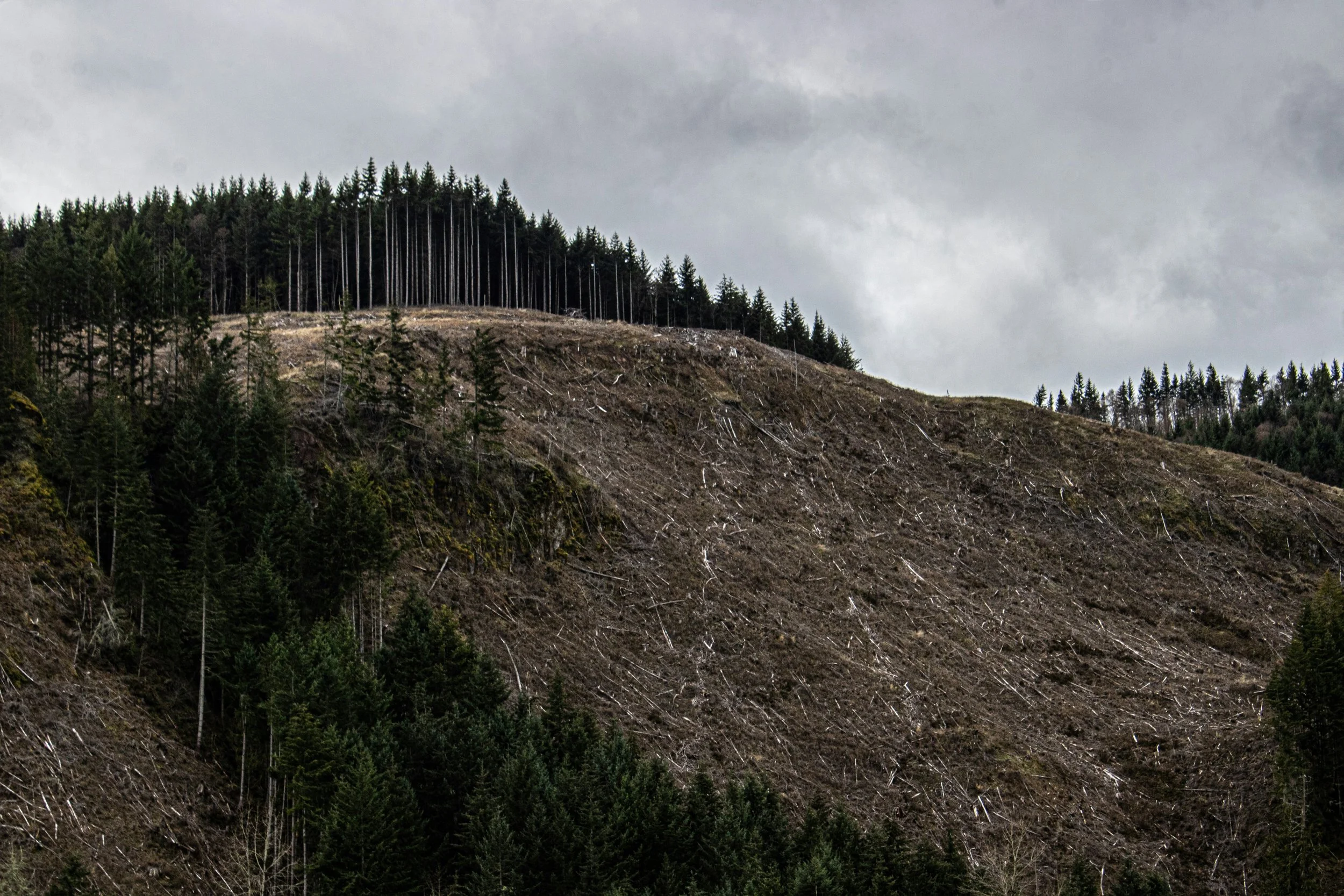
Cocoa has been a significant driver of forest loss in West Africa, particularly in Côte d’Ivoire and Ghana, as forests have been cleared to establish new plantations.
Why does deforestation matter? Forests absorb and store enormous amounts of carbon. When they're cleared, not only do we lose that ability to remove
carbon dioxide from the atmosphere, but much of the carbon already stored in the trees is released as they are burned or decay. The Rainforest Alliance estimates that deforestation is responsible for around 10% of global emissions. You can read more about deforestation on the Rainforest Alliance website here.
It’s also a vicious circle: climate change is making cocoa production more difficult, with extreme heat, drought and unpredictable rainfall affecting crops in some of the world’s most important growing regions. Poor harvests reduce the amount of cocoa available and, when supply falls while demand remains high, prices rise — one of the main reasons chocolate has become noticeably more expensive in recent years.
Pests And Disease
Pests and diseases are another serious problem for cocoa farmers. Diseases alone are estimated to reduce potential global cocoa production by around 30–40%, and outbreaks can devastate individual farms and entire growing regions.
Lower yields can also increase pressure to clear more land for cocoa production. Pesticides are widely used to control pests and disease, bringing their own environmental and health risks — particularly for farmers and workers who may not have adequate training or protective equipment.
The Good News
What I’ve told you about here is just scratching the surface and you can see how much work needs to be done to achieve sustainable production methods and provide cocoa farmers with a living wage. Fortunately, this is now widely acknowledged by the governments of both producer and consumer countries and work is being done to find solutions. In 2017, the governments of Côte d’Ivoire and Ghana joined major cocoa and chocolate companies to launch the Cocoa & Forests Initiative, with the aim of eliminating cocoa-related deforestation. The problem certainly hasn’t disappeared, but the initiative is still active and has resulted in increased traceability, forest restoration and the expansion of agroforestry schemes in cocoa-growing areas.
There has also been a significant change in the way the big chocolate manufacturers approach cocoa sourcing. Many now run their own sustainability programmes, working directly with cocoa-growing communities to improve farming methods, increase incomes, monitor child labour, protect forests and make cocoa production more resilient to climate change. Mondelēz has Cocoa Life, Mars has Cocoa for Generations, Nestlé has its Cocoa Plan, Callebaut works through the Cocoa Horizons Foundation and Belcolade/Puratos runs Cacao-Trace, while companies are also beginning to collaborate on projects aimed at improving farmers’ livelihoods across the industry.
Rainforest Alliance Certification
You may have noticed that I use Rainforest Alliance-certified chocolate. The Rainforest Alliance works with farmers and businesses to improve agricultural practices, protect forests and biodiversity, improve livelihoods and address issues such as child labour and unsafe working conditions.
UTZ, which some readers may remember seeing on chocolate and coffee products, merged with the Rainforest Alliance in 2018. The two schemes were gradually brought together under the Rainforest Alliance certification programme, which is why products that were once labelled UTZ are now more likely to carry the Rainforest Alliance frog.
Certification isn’t a guarantee that every problem in the cocoa industry has been solved, but it does provide standards for farms and supply chains and a framework for improving environmental and social practices.
Fairtrade — Is It Really?
Most of us are familiar with the Fairtrade mark and tend to associate it with better conditions for farmers and growers. Fairtrade sets social and environmental standards and provides a Minimum Price intended to act as a safety net when market prices fall, together with an additional Fairtrade Premium that producer organisations can invest in their businesses and communities.
That doesn’t mean Fairtrade has solved the problem.
Even Fairtrade acknowledges that the Minimum Price and Premium are often not enough on their own to provide cocoa farmers with a living income. It has therefore developed separate Living Income Reference Prices — estimates of what farmers would actually need to receive if a typical household is to earn a decent living from cocoa.
There are signs of progress. A recent Fairtrade study found that extreme poverty among the cocoa farmers it surveyed fell considerably between 2020 and 2024. But a substantial gap between cocoa farming and a secure living income remains, which is why certification should probably be seen as part of the solution rather than a guarantee that everything behind a product is fair.
The Chocolatier’s Dilemma
As a chocolatier, I want to offer my customers a high-quality, ethically produced product. As a small business owner who wants to make sales, I also need to keep the cost of that product affordable — and still make a profit. Believe me, it’s a constant struggle! I use Rainforest Alliance-certified Belgian chocolate from Belcolade, my preferred couverture for both its quality and flavour. It costs me around £20–£25 more per 15kg box than the non-certified equivalent, but that’s a cost I’m prepared to pay for more responsibly sourced cocoa.
Would You Like to Help?
If you want to get a bit more involved, Freedom United is currently running a campaign calling on some of the world’s biggest chocolate companies to do more to tackle child labour and exploitation in cocoa production.
End Child Exploitation in Cocoa - click here.
Images: Kawê Rodrigues, Peter Robbins and David Clode, used under the Unsplash licence.